What does recognition of Palestinian statehood mean?
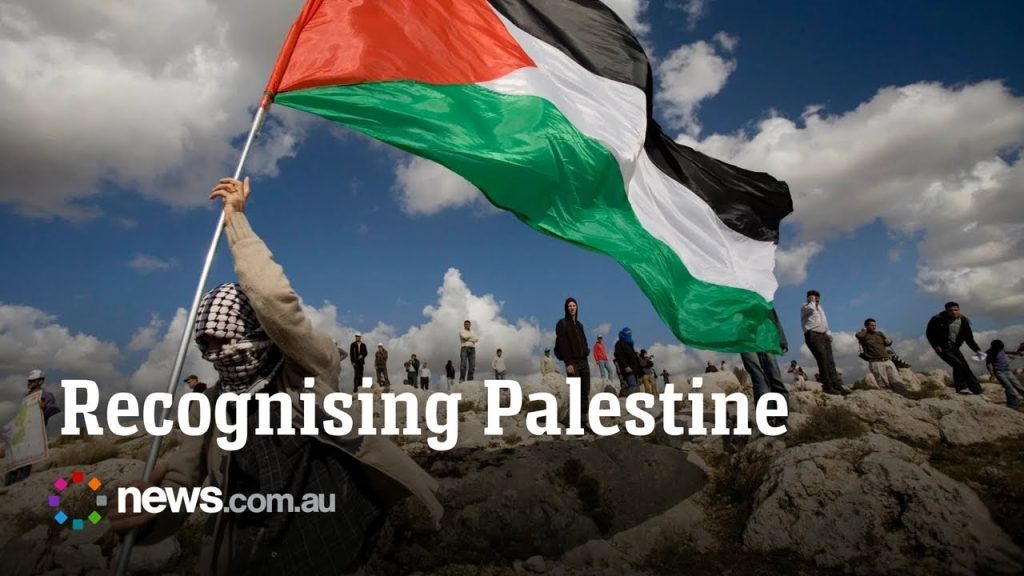

What does recognition of Palestinian statehood mean?
#palestine #gaza #israel #unitednations #globalnews
Several world leaders are formally recognizing a Palestinian state on Monday (September 22), a day after major Western powers including Britain, Canada, and Australia made the same announcement. But with Israel and its main ally the U.S. opposing the move, Olivia Zollino takes a look at what recognition means in concept and practice.
Amid the devastating war in Gaza, a growing number of major Western powers are formally recognizing a Palestinian state.
Today, about 150 of the 193 United Nations member states recognize an independent Palestinian state. There is a State of Palestine delegation at the U.N. – but only with observer status, and no voting rights. Getting full membership will be tricky.
Palestinian diplomatic missions worldwide run by the Palestinian Authority are recognized internationally. The PA, led by President Mahmoud Abbas, has limited self-rule in parts of the occupied West Bank under agreements with Israel.
As for the Gaza Strip – that’s been controlled by Hamas since it won a civil war there in 2007.
Countries like Britain say, the recognition of a Palestinian state puts pressure on Israel to end the Gaza war. They also want to stop Jewish settlements from taking over Palestinian homes in the occupied West Bank.
France says recognition would also come with commitment by the PA for reforms, to make it a more credible partner for the post-war administration of Gaza.
For Palestinians, it’s about their right to exist.
Husam Zomlot, the head of the Palestinian mission to the UK:
“It is about ending the denial of the Palestinian people’s inalienable right to freedom and self-determination. [trim] Palestine exists. It has always existed, and it always will.”
In countries recognizing its statehood, Palestinian diplomatic missions are expected to get a status upgrade to full embassies. But it’s not likely those countries can open embassies in the Palestinian territories, where Israel controls access.
Bilateral relations will still be limited for the PA, without a full seat at the U.N. and with its borders controlled by Israel. Still, analysts say countries may now be forced to review aspects of their ties with Israel. And those planning recognition – as well as the PA itself – say it’s more than an empty gesture.
Israeli Prime Minister Benjamin Netanyahu has now said – there will be no Palestinian state. He’s calling Palestinian recognition a “huge reward” for Hamas militants who attacked Israel in October 2023. Though in announcing its recognition, Canada said it was empowering “those who seek peaceful co-existence and the end of Hamas.”
Other countries have made similar statements. The U.S. opposes the recognition move by Western allies. President Donald Trump said last year, he was “not sure” a two-state solution is going to work.
Connect With news.com.au Online ► [https://www.news.com.au] https://bit.ly/3WC8hOP
▬▬▬▬▬▬▬▬▬▬▬▬▬▬▬▬▬▬▬▬▬▬▬▬▬▬▬
Follow Us:
Facebook ► [https://www.facebook.com/news.com.au/]
Instagram ► [https://www.instagram.com/newscomauhq/?hl=en]
Podcast ► [https://newscomau.org/FromTheNewsroom]
TikTok ► [@news.com.au]
X ► [https://x.com/newscomauHQ]
▬▬▬▬▬▬▬▬▬▬▬▬▬▬▬▬▬▬▬▬▬▬▬▬▬▬▬
Subscribe To Our YouTube Channel
For The Very Latest News From Australia And Around The World:
► [https://www.youtube.com/@newscomauhq]
► [https://www.youtube.com/@newscomauhq/shorts]
► [https://www.youtube.com/@newscomauhq/videos]
▬▬▬▬▬▬▬▬▬▬▬▬▬▬▬▬▬▬▬▬▬▬▬▬▬▬▬