Cocaine contamination changes how fish behave in the wild: new research
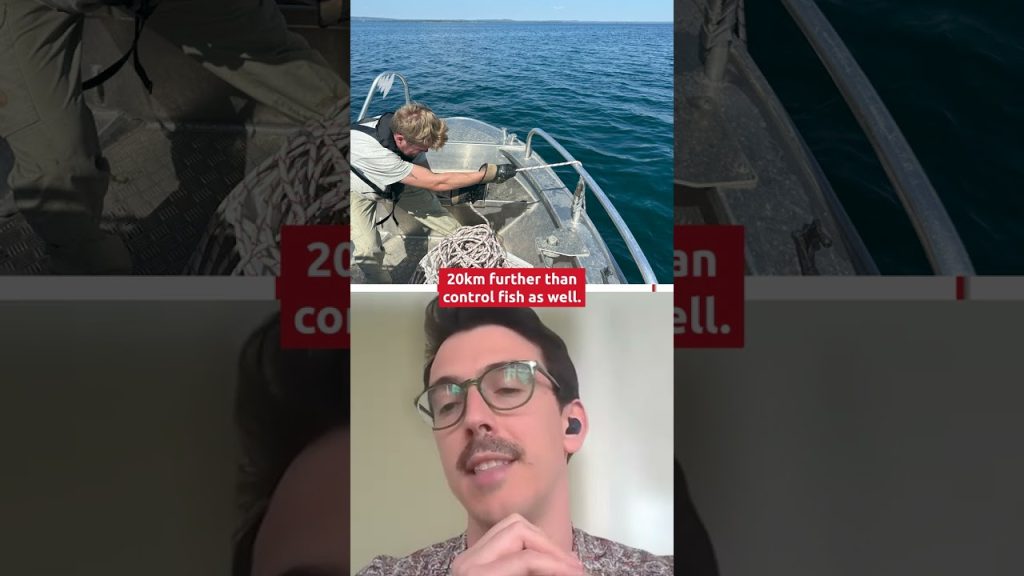

A new study has explored the impacts of cocaine pollution on wild Atlantic salmon, revealing how their behaviour can change when exposed to concentrations commonly found in wastewater.
The international study, involving researchers from Griffith University, found juvenile fish exposed to the primary metabolite of cocaine swam almost twice as far and dispersed more widely than unexposed fish.
The report’s co-author Marcus Michelangeli has said the findings are important because these behavioural changes impact how fish populations interact with their environment.
“Where fish go determines what they eat, what eats them, and how populations are structured,” he said.
“If pollution is changing these patterns, it has the potential to affect ecosystems in ways we are only beginning to understand.”
Cocaine and its metabolites are increasingly being detected in waterways around the world, entering through wastewater systems that have not been designed to completely remove these compounds.
For the latest news, visit https://www.sbs.com.au/news
SBS News is Australia’s trusted news source for the latest news from Australia and across the world.
Subscribe to the SBS News YouTube channel: https://www.youtube.com/@SBSNews
Follow SBS News on Instagram: https://www.instagram.com/sbsnews_au
Follow SBS News on TikTok: https://www.tiktok.com/@sbsnews_au
Follow SBS News on X: https://www.twitter.com/SBSNews
Follow SBS News on Facebook: https://www.facebook.com/sbsnews
Apple News: https://trib.al/MTx0gUe
For the latest news, visit www.sbs.com.au/news
Network Terms & Conditions: https://sbs.com.au/terms
Privacy Policy: https://sbs.com.au/privacy
Feedback or complaints: https://sbs.com.au/complaints