Expert reveals how extinct animals are being brought back to life
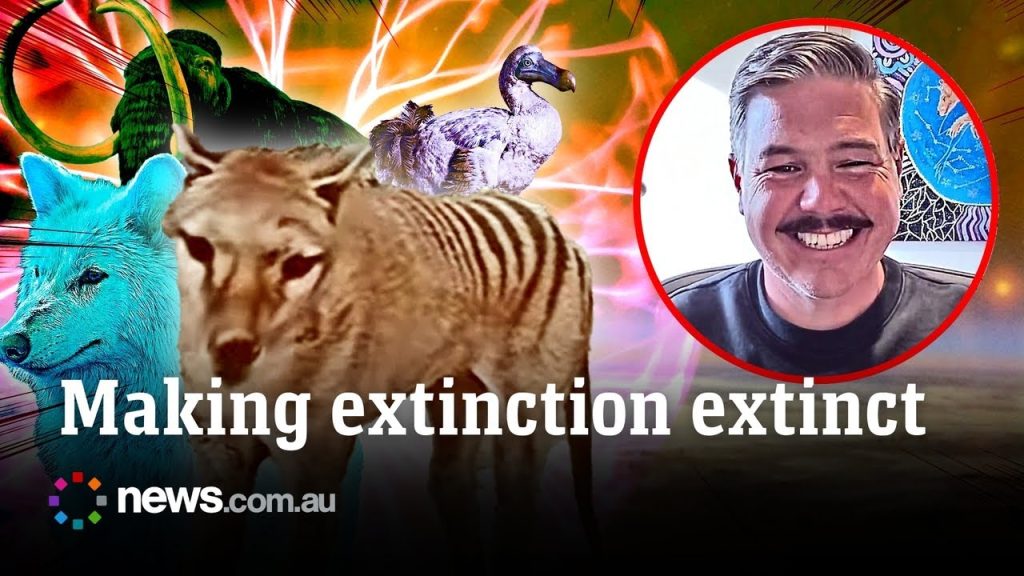

Expert reveals how extinct animals are being brought back to life
#colossalbiosciences #deextinction #extinction #tasmaniantiger #direwolf #science #technology #mammoth #dodo
Scientists are bringing extinct animals like the dodo, mammoth, and Tasmanian tiger back to life. Expert Andrew Pask of Colossal Biosciences reveals how de-extinction could restore ecosystems and help save Earth’s endangered species.
Once thought to be gone forever, extinct animals like the dodo, woolly mammoth, and Tasmanian tiger are being brought back to life — not through science fiction, but through cutting-edge genetic technology.
In this fascinating look at the rise of de-extinction, experts reveal how modern cloning and DNA sequencing are transforming the way we think about conservation, evolution, and our responsibility to the planet.
Led by Colossal Biosciences, scientists have made unprecedented breakthroughs in recreating extinct species — including the successful cloning of dire wolf pups in 2025, marking the first real proof that de-extinction is no longer just a dream.
Professor Andrew Pask, a key researcher at Colossal Biosciences, explains how ancient DNA, extracted from fossils and museum specimens, can be edited into the genome of a modern-day relative — effectively rebuilding a lost species cell by cell. The same method once used to clone Dolly the Sheep is now at the core of efforts to resurrect the dodo, the woolly mammoth, and Australia’s own Tasmanian tiger.
But this isn’t just about reviving the past. De-extinction science could be the key to preserving life on Earth’s future. Many extinct animals once played vital roles in maintaining balanced ecosystems. Bringing them back could restore stability to habitats now collapsing under human pressure and climate change.
In Australia, Professor Pask’s team is leading the charge to revive the thylacine, or Tasmanian tiger — a species wiped out by human hunting in the 20th century. Using a tiny marsupial called the fat-tailed dunnart as a genetic base and potential surrogate mother, scientists are pushing the boundaries of what’s possible. The goal? To reintroduce the thylacine to Tasmania, where its return could help curb diseases devastating other species like the Tasmanian devil.
The same technologies are also helping living animals. Genetic research used to bring back the dire wolf has strengthened the DNA of endangered red wolves, while editing a single base pair in northern quolls could make them immune to the deadly toxin of invasive cane toads — potentially reversing their decline.
Still, these breakthroughs raise complex questions. Critics call it “playing God,” but Pask argues the opposite: “We played God when we wiped these species out. Now we’re doing good God work — rebuilding what we destroyed.”
De-extinction projects like Colossal Biosciences are governed by strict ethical frameworks, ensuring each step serves a conservation purpose. For scientists like Pask, de-extinction is conservation — a powerful new tool to restore lost biodiversity and strengthen fragile ecosystems.
As the planet faces its sixth mass extinction, with wildlife populations down more than 50% in the last half century, these technologies may be humanity’s best chance to correct centuries of damage.
Pask believes the next hundred years will determine whether life on Earth thrives or collapses — and de-extinction science could make the difference:
“When ecosystems fall apart, our world falls apart. It’s too late to sit back — we have to embrace this technology if we want a future where both humans and nature can survive.”
From the laboratories of Colossal Biosciences to the wild landscapes once ruled by extinct giants, this is the story of how science is resurrecting the dead to save the living — and why the future of our planet may depend on it.
Connect With news.com.au Online ► [https://www.news.com.au] https://bit.ly/3WC8hOP
▬▬▬▬▬▬▬▬▬▬▬▬▬▬▬▬▬▬▬▬▬▬▬▬▬▬▬
Follow Us:
Facebook ► [https://www.facebook.com/news.com.au/]
Instagram ► [https://www.instagram.com/newscomauhq/?hl=en]
Podcast ► [https://newscomau.org/FromTheNewsroom]
TikTok ► [@news.com.au]
X ► [https://x.com/newscomauHQ]
▬▬▬▬▬▬▬▬▬▬▬▬▬▬▬▬▬▬▬▬▬▬▬▬▬▬▬
Subscribe To Our YouTube Channel
For The Very Latest News From Australia And Around The World:
► [https://www.youtube.com/@newscomauhq]
► [https://www.youtube.com/@newscomauhq/shorts]
► [https://www.youtube.com/@newscomauhq/videos]
▬▬▬▬▬▬▬▬▬▬▬▬▬▬▬▬▬▬▬▬▬▬▬▬▬▬▬